Start by observing
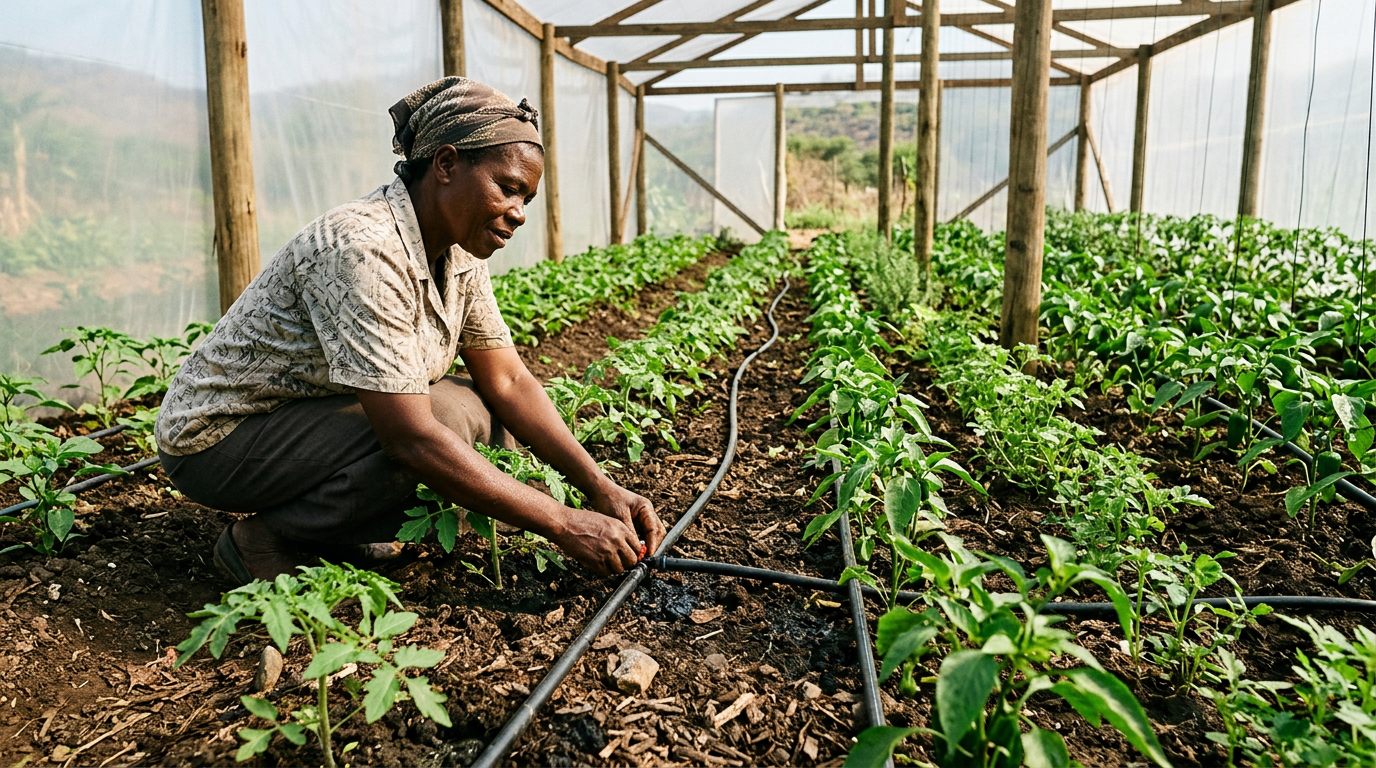
Good irrigation decisions begin with the crop and the conditions in the field. Notice the crop’s stage of growth, how quickly the soil is drying and whether water is reaching the root area.
A short field check can help reveal uneven watering, leaks or blocked emitters before they affect a larger area. The right approach will vary with the crop, soil and production system.
Keep a simple record
Note when irrigation takes place and what you observe afterwards. Over time, these records can make decisions more consistent and help identify changes in crop condition or water use.
Where drip lines are used, inspect connectors and emitters regularly. Growers can compare notes at a field day or ask an extension professional how to adapt checks to local conditions.
Keep the conversation growing